
 Receiving a skin cancer diagnosis is a moment that stops most patients in their tracks. It is followed quickly by questions: How serious is this? What are my options? Will I have a scar? For patients diagnosed with basal cell carcinoma or squamous cell carcinoma, the two most common types of skin cancer, one of those options is almost certainly Mohs micrographic surgery, the gold standard treatment for many high-risk skin cancers.
Mohs surgery has the highest cure rate of any skin cancer treatment, approaching 99 percent for new basal cell carcinomas. Performed as an outpatient procedure under local anesthesia, it produces the smallest possible wound and allows most patients to return home the same day. Yet despite its long track record and impressive outcomes, many patients first hear the term at their post-biopsy appointment and have little context for what the procedure involves.
This article explains what Mohs surgery is, which patients and cancers it suits best, what to expect on the day of the procedure, and how recovery and reconstruction unfold.
What Makes Mohs Surgery Different from Standard Excision?
To understand Mohs surgery, it helps to first understand its key limitation and the key limitation of standard excision that Mohs was designed to solve.
The challenge of surgical margins
When a dermatologist removes a skin cancer with standard excision, they cut out the tumor plus a margin of surrounding tissue, then send the specimen to a pathology lab. The lab processes the sample using a “bread loaf” sectioning technique, examining cross-sections that represent only about 1–3 percent of the total tumor margin. If cancerous cells remain at the edge of the excision, the lab may miss them during processing—and the patient may need a second surgery when the results return.
How Mohs addresses this
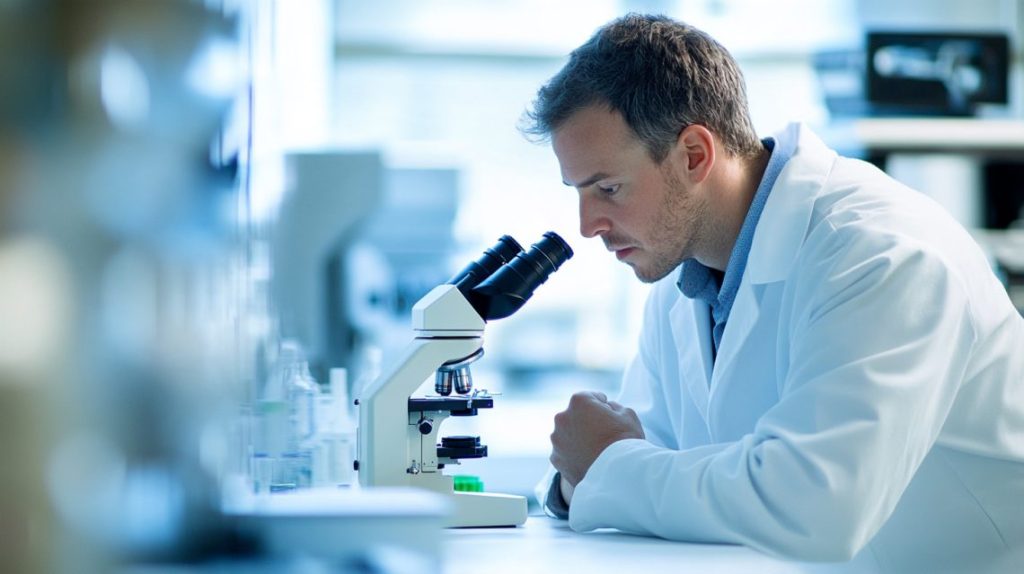 Mohs micrographic surgery eliminates this uncertainty by integrating surgery and pathology in real time, at the point of care. The Mohs surgeon:
- Removes the visible tumor and a thin margin of surrounding tissue
- Maps, color-codes, and processes the tissue in an on-site laboratory while the patient waits
- Examines 100 percent of the surgical margin under the microscope — not 1–3 percent
- Returns to the patient and, if needed, removes additional tissue only in the precise area where cancer cells remain
- Repeats this cycle — typically two to three stages — until the entire margin is clear of cancer
This process means the surgeon acts as both a cancer surgeon and a pathologist, creating a precise map of where the cancer is and isn’t. Once the margins are confirmed clear, the surgeon performs wound reconstruction —often the same day.
| Mohs cure rates in context
For new (primary) basal cell carcinomas, Mohs surgery achieves cure rates of 97–99.8 percent. For recurrent basal cell carcinomas, the cure rate is approximately 94 percent — still higher than any alternative. For squamous cell carcinoma, cure rates range from 95–99 percent for new cases and approximately 90 percent for recurrent cases. By comparison, standard excision achieves cure rates of about 93–95 percent. This difference matters most for high-risk tumors in anatomically sensitive locations. |
Which Types of Skin Cancer Are Treated with Mohs?
Mohs surgery is highly effective but not universally indicated for every skin cancer. The American College of Mohs Surgery has developed Appropriate Use Criteria that guide when Mohs is the preferred treatment based on tumor type, location, size, and patient characteristics.
Most appropriate for Mohs
- Basal cell carcinoma (BCC) on the face, ears, scalp, neck, and hands — particularly near the eyes, nose, lips, and ears where tissue preservation is aesthetically and functionally critical
- Squamous cell carcinoma (SCC) on the face, scalp, ears, and other high-risk locations
- Large, recurrent, or aggressive-subtype skin cancers
- Tumors with poorly defined borders, where the microscopic extent is unclear
- Skin cancers in patients who are immunocompromised (organ transplant recipients, patients on immunosuppressant medications)
- Skin cancers that have recurred after prior treatment
 When standard excision may be preferred
For smaller, lower-risk skin cancers on the trunk and extremities where tissue preservation is less critical, and the cancer is more straightforward, standard excision with traditional margin evaluation is often equally effective and more cost-efficient. Your dermatologist will discuss which approach best fits your diagnosis, location, and risk profile. Insurance coverage also shapes treatment planning, as most major insurance plans cover Mohs when you meet the criteria for appropriate use.
What Happens on the Day of a Mohs Procedure, Step by Step?
One of the best ways to reduce anxiety about Mohs surgery is to know exactly what to expect. The procedure is predictable and well-structured, and understanding the timeline helps patients prepare.
Before you arrive
Most patients are asked to eat a normal breakfast, take their usual medications, avoid blood-thinning supplements like fish oil and vitamin E for several days beforehand, and arrive with a clean face; if the treatment site is the face, avoid makeup, moisturizer, and sunscreen on the treatment site. Bring reading material, a phone, or other quiet activities, as you’ll wait between stages while the tissue is processed.
At the appointment
- Preparation: The surgeon cleans and marks the treatment area. A local anesthetic injection numbs the site — this is typically the most uncomfortable part of the entire procedure.
- Stage 1 excision: The surgeon removes the visible tumor and a thin layer of surrounding tissue. The wound is temporarily bandaged.
- Laboratory processing: The on-site laboratory maps the tissue, color-codes it, and prepares and stains frozen sections. This typically takes 45–90 minutes per stage.
- Microscopic evaluation: The surgeon examines the prepared slides under a microscope and precisely maps any remaining cancer cells.
- Additional stages if needed: If cancer cells are present at any margin, the surgeon returns to the patient and removes additional tissue only in that specific area. This cycle repeats until the margins are clear. Most cases are completed in 1–3 stages.
- Reconstruction: Once the surgeon confirms clear margins, they close the wound. Options include primary closure with sutures, healing by secondary intention (leaving the wound to heal naturally), skin flaps, or grafts — depending on size and location.
How long does it take?
Total appointment time varies but typically ranges from two to four hours for straightforward cases. Patients with more complex tumors or those requiring multiple stages may be at the office for a full day. Plan to have a driver and to clear your schedule for the day.
How Are Cure Rates for Mohs Surgery Compared to Other Methods?
 Understanding the comparative effectiveness of skin cancer treatments helps patients make truly informed decisions. The data strongly support Mohs as the most effective treatment for appropriate cases.
Mohs vs. standard excision
For high-risk, high-location skin cancers, Mohs achieves cure rates 3–6 percentage points higher than standard excision. While that may sound small, it translates to significantly fewer recurrences—and recurrent skin cancers are harder to treat, more likely to require larger excisions, and carry a greater risk of complications. For cancers near the eyes, nose, ears, and lips, Mohs’s tissue-sparing advantage is also functionally and cosmetically critical.
Mohs vs radiation therapy
Radiation therapy is sometimes used for skin cancer, particularly when surgery is not feasible or in very elderly patients. It generally has lower cure rates than Mohs for basal cell and squamous cell carcinoma, takes multiple sessions over several weeks, and does not allow immediate tissue analysis to confirm complete removal. Radiation also precludes future Mohs surgery if a recurrence develops in the irradiated area, which complicates management of any future cancers at the same site.
Mohs vs topical and non-surgical treatments
Topical treatments (imiquimod, fluorouracil) and electrodesiccation and curettage are appropriate for very superficial, low-risk basal cell carcinomas. For any skin cancer that is invasive, recurrent, high-risk, or located in a cosmetically sensitive area, Mohs surgery consistently outperforms non-surgical alternatives.
What Does Recovery and Wound Care Look Like After Mohs?
Recovery from Mohs surgery is generally well tolerated, but it requires consistent wound-care compliance for the best cosmetic outcome.
Immediate post-procedure
Most patients experience mild to moderate discomfort for the first few days, manageable with over-the-counter acetaminophen (ibuprofen and aspirin are typically avoided due to bleeding risk). Your surgical site will be bandaged, and your care team will provide specific wound-care instructions.
Daily wound care
Standard Mohs wound care typically involves:
- Gentle cleansing of the wound once or twice daily with mild soap and water or saline
- Applying a thin layer of plain petrolatum (Vaseline) to keep the wound moist — moist wounds heal faster and with less scarring than dry wounds
- Covering with a non-stick bandage or wound dressing as instructed
- Avoiding vigorous exercise, heavy lifting, or activities that strain the wound for 1–2 weeks
Suture removal and healing timeline
Sutures are typically removed 5–14 days after surgery, depending on location. Wounds on the face and scalp tend to heal faster than those on the trunk and extremities. The scar will initially appear red and slightly raised, then gradually flatten and fade over 12–18 months. Strict sun protection of the scar — SPF and physical coverage — significantly improves the long-term cosmetic outcome.
Will I Need Reconstructive Surgery After Mohs, and What Does That Involve?
Reconstruction after Mohs surgery is a topic that worries many patients more than the cancer itself. Understanding the range of options and that reconstruction is performed by the Mohs surgeon immediately after clear margins are confirmed can significantly reduce that anxiety.
Types of wound closure
- Simple primary closure: The wound edges are sutured directly together. Most common for smaller wounds with adequate surrounding skin laxity. Results in a linear scar.
- Secondary intention healing: Some wounds—particularly on the nose, scalp, and ear—heal better when left open to heal naturally. This takes longer but often produces an excellent cosmetic result in the right locations.
- Local flap repair: The surgeon rotates or advances a segment of nearby skin to cover the defect. Allows the surgeon to match skin color, texture, and thickness, producing excellent cosmetic outcomes.
- Skin graft: Skin is transferred from another area (often behind the ear, inner arm, or thigh) to cover larger defects where local tissue is insufficient.
Complex reconstruction
For very large or complex defects—particularly near the eyelid, lip, or nose the Mohs surgeon and an oculoplastic surgeon, facial plastic surgeon, or head and neck surgeon may plan collaboration in advance. Your surgeon will discuss this possibility at your pre-operative consultation.
| Mohs surgery at Loudoun Dermatology
Loudoun Dermatology Associates offers Mohs micrographic surgery to treat basal cell carcinoma and squamous cell carcinoma under the care of our board-certified dermatologic surgeons. We perform all stages of the procedure—from excision and laboratory processing to reconstruction on-site in a single appointment, in a clinical environment focused on your safety, comfort, and long-term cosmetic outcome. |
This article is intended for educational purposes and does not constitute medical advice. Consult a board-certified dermatologist for evaluation of any skin concern.