
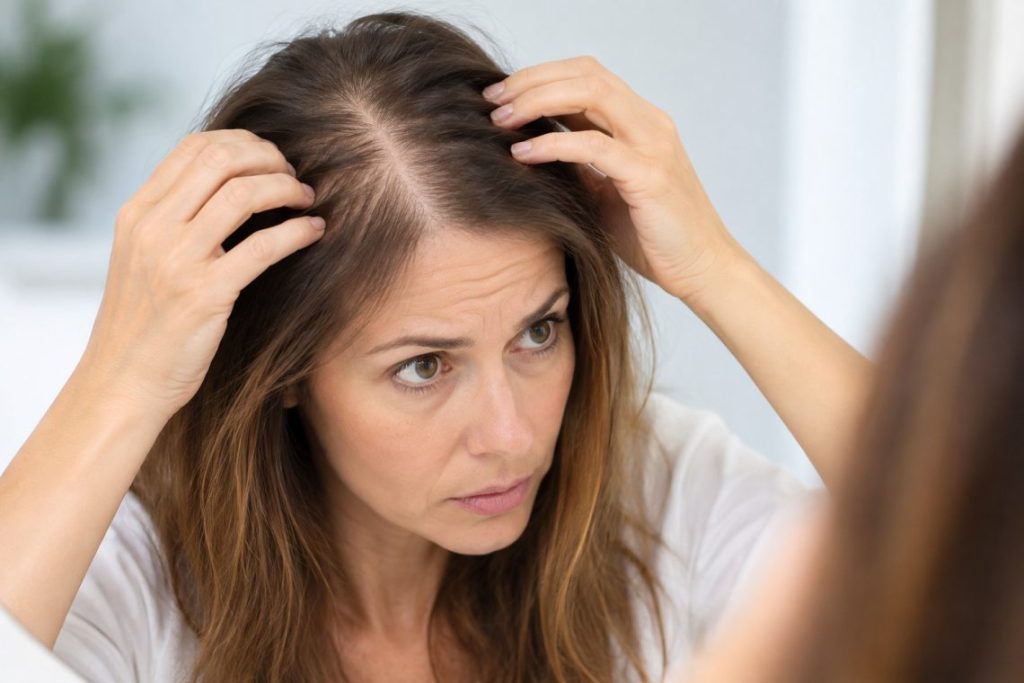
 Let’s be honest: hair has a funny way of getting your attention.
One day you’re having a perfectly normal morning. The next, you’re staring at the shower drain thinking, “Was all of that mine?”
If you’ve noticed more hair in your brush, a widening part, a thinner ponytail, or a hairline that seems to be moving in the wrong direction, you’re not alone. Hair loss and hair thinning are extremely common in both men and women, and they can happen gradually enough that you may not notice the change until it becomes significant.
The good news? Hair loss is not something you simply have to accept without exploring your options. The first step is understanding why your hair is thinning and determining which treatments may help.
What Causes Hair Loss?
There isn’t just one reason people lose hair. Genetics, hormones, aging, stress, illness, medications, nutritional deficiencies, and other medical conditions can all play a role.
For many men and women, however, hair thinning happens gradually over time. This type of hair loss often follows a recognizable pattern.
Hair Loss in Women
Women may notice:
- A widening part
- Thinning at the crown or top of the scalp
- A smaller ponytail
- More visible scalp
- Overall decreased hair density
- Hair that seems finer than it used to be
Female hair loss can be particularly frustrating because it may happen subtly. You may not notice individual hairs falling out—you simply realize that your hair doesn’t look or feel as full as it once did.
And yes, your ponytail really can become a diagnostic instrument. If you’re suddenly wrapping the hair tie around your ponytail four times instead of three, it may be time to take a closer look.
Hair Loss in Men
Men often notice hair thinning in a different pattern.
Common signs include:
- A receding hairline
- Thinning at the temples
- Hair loss at the crown
- A progressively thinner area on top of the scalp
- Increasing visibility of the scalp
For some men, hair loss begins with a subtle change in the hairline. For others, the crown starts thinning first.
And while losing some hair may be part of getting older, age isn’t the only factor—and waiting until significant hair loss has occurred may limit your treatment options.
Why Does Hair Become Thinner?
Hair grows in cycles. Each individual hair goes through a growth phase, a resting phase, and eventually sheds before the follicle begins producing another hair.
Over time, some follicles can begin producing hairs that are finer, shorter, and less noticeable than they once were.
The result? You may still have plenty of hair follicles—but the hairs themselves aren’t providing the same coverage they used to.
This is one reason early evaluation can be important. Treating hair thinning while there are still active follicles may provide better opportunities to maintain and improve hair density.
Is Hair Loss Normal?
Some hair shedding every day is completely normal. In fact, most people lose hair daily without giving it a second thought.
The concern is when you begin noticing a persistent change in hair density or pattern.
If your hair is noticeably thinner than it was a year ago, your part is becoming wider, your hairline is changing, or your scalp is becoming more visible, it’s worth having your scalp and hair evaluated.
When Should You See a Dermatologist for Hair Loss?
Consider scheduling an evaluation if you notice:
- Sudden or rapid hair loss
- Gradually worsening thinning
- A widening part
- A receding hairline
- Thinning around the crown
- Bald spots or patches
- Significant shedding after an illness or stressful event
- Scalp itching, scaling, redness, or pain
- Hair loss accompanied by other changes in your health
A dermatologist can examine the scalp, review your medical history and medications, and determine whether additional testing is appropriate.
What Treatments Are Available for Hair Loss?
Treatment depends on why the hair is thinning, how long it has been occurring, and whether you are a man or woman. Depending on your individual situation, treatment options may include topical medications, oral medications, platelet-rich plasma treatments, low-level light therapy, nutritional correction when appropriate, or other hair restoration approaches. There is no single treatment that works for everyone—which is exactly why an individualized evaluation matters.
Your friend’s miracle hair-growth supplement may be wonderful for your friend. That doesn’t necessarily mean it’s the answer for you.
Can Hair Loss Be Treated?
In many cases, yes. The goal of treatment may be to reduce continued hair loss, improve hair density, encourage thicker hair growth, or maintain the hair you currently have. One important point: hair restoration is generally a marathon, not a sprint. Hair grows slowly, so successful treatment often requires patience and consistency. Taking a treatment for two weeks and declaring, “Well, this clearly isn’t working,” is understandable—but your hair follicles probably need a little more time.
Don’t Wait Until Your Hair Loss Is Obvious
One of the biggest misconceptions about hair loss is that you need to wait until you have obvious bald areas before seeking treatment.
You don’t.
If you’re noticing changes, an evaluation can help identify what is happening before hair loss becomes more advanced. Whether you’re a man noticing a receding hairline or a woman noticing a widening part, you don’t have to simply cross your fingers and hope your hair decides to cooperate. Your Hair Loss Is Personal. Your Treatment Should Be, Too.
Hair loss can affect much more than your appearance. It can influence confidence, self-esteem, photographs, hairstyles, and even the way you feel when you look in the mirror. The good news is that there are treatment options worth discussing. At Loudoun Dermatology Associates, we evaluate hair loss in both men and women and develop treatment recommendations based on the individual patient—not a one-size-fits-all approach. If you’ve noticed thinning hair, increased shedding, a widening part, or a changing hairline, don’t wait until your scalp is doing all the talking. Schedule a consultation with our dermatology team to find out what’s causing your hair loss and what treatment options may be appropriate for you.
Ready to Talk About Your Hair Loss? Healthy-looking hair starts with understanding what’s happening beneath it. Contact Loudoun Dermatology Associates to schedule a hair loss consultation.